
When things fall apart...
How do we make peace with our broken pieces?

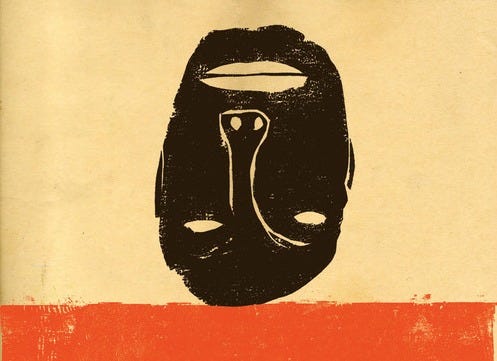
Life is a never-ending story of breakdowns. The Earth body we call home is in a constant cycle of disintegration. From soil erosion and rotting fruits to weathered wood and dried-out autumnal leaves that crunch underfoot…our seasons are marked by decay and decomposition.
And we are no exception.
As young children, we grin proudly, displaying the latest gaping hole, hoarding up our departed enamel for the tooth fairy. As women, we calculate the arrival of periods, ritualising as best we can our wombs monthly shed. As Octogenarians we navigate collagen depletion and brittle bones, our once baby-smooth skin a ravine of lines and hollows. Till finally, we succumb to the circle of life, our hearts stop and our vacated human husks return back to the soil.
This is how the cycle has unfolded from time immemorial until we decided to make decay a dirty word and degeneration a dirtier concept. And how do we treat the unclean? Sanitize it to death of course. Armed with rubber gloves and our ‘anti’ of choice, we spray down our living quarters, eradicating the slightest hint of microbial life, safeguarding surgical sterility and ‘control’ of our errant environments.
We also invade habitats we have no business in. Flora and fauna are not spared our sanitation rampage. We wantonly douse crops and plants in pesticides, while doping up animals on antibiotics. We conveniently forget our place in the food chain, then fear monger and cower as antibiotic resistance spikes, allergies proliferate, and the latest superbug mutates…we have successfully turned the circle of life into a carousel of death.
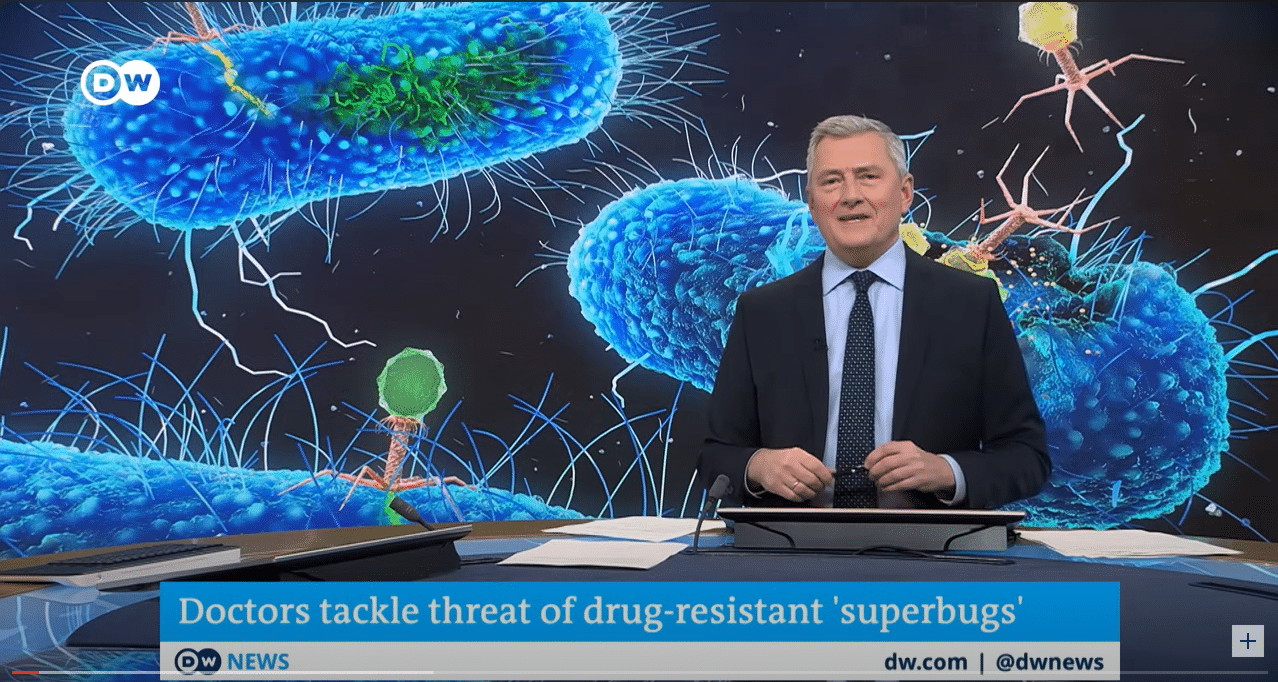
And in our endless crusade against temporality and decay, who is the scariest agent of them all? Drum roll for the forever chemicals! We coat, we insulate and we ‘protect’ our homes and our wares with water-resistants, stain-repellents, anti-smudges, non-sticks, easy-cleans and shatter-proofs. We inhale, we ingest and we wallow in the mires of toxins all for the grand illusion of durability and survival. Even in death our chem-trail does not end. Modern day funerary practices ensure our coffins ooze with formaldehyde and other carcinogens that contaminate the land, pollute our waters and eventually snake back to infect us, the living too…the wheel just keeps turning on our carnage carousel.
But degeneration is the ultimate trickster. Its wily ways are as old as time and despite our best repellent efforts, it will have its breaks, come what may. Ruptures, accidents and lighting-swift ‘acts of God’. Abrupt halts and breakdowns that do not foreshadow or forewarn like their slower sibling, decay. The straight-from-the showroom sports car crashed into a wall, the ripped designer jeans straight off the catwalk, the full-proofed, unsinkable Titanic - what are we to do then?
We humans (sadly?) are an equally tenacious breed. Step up insurance! Time for that brand-spanking upgrade you never knew existed but apparently is all you ever needed. Get that breakdown cover with all additional plans thrown in! Get that lifetime warranty! Pick up where the ancestral capitalists left off; for if a sunken ship crammed full of enslaved humans can be ‘compensated’ with a bag of gold, then make like a modern day Judas and get you some! Replace and upgrade, upgrade and replace: profit over people always. Till everything, everywhere, all at once is forever so brand spanking new, that a crack or a line, even one as tiny as a thread on your forehead becomes a living horror. And when we can no longer filter, gloss, inject and anti-age our declining bodies away, what’s left to turn to but our minds. How to upgrade that grey matter, how to optimize, how to replace??? Hello AI.
Our surfaces and skins may glow and glisten but they can’t hide the rot that festers underneath. Exploitations, Extractions, Extremisms and Exterminations - we’ve capitalized the ‘E’ in Evil and its children. And as we drink our lattes, bake our bread and scroll with eyes wide shut, the putrefaction spreads within the depths of our souls, blighting our compassion, eroding our trust and silencing our will, till we become nothing more than the living dead.
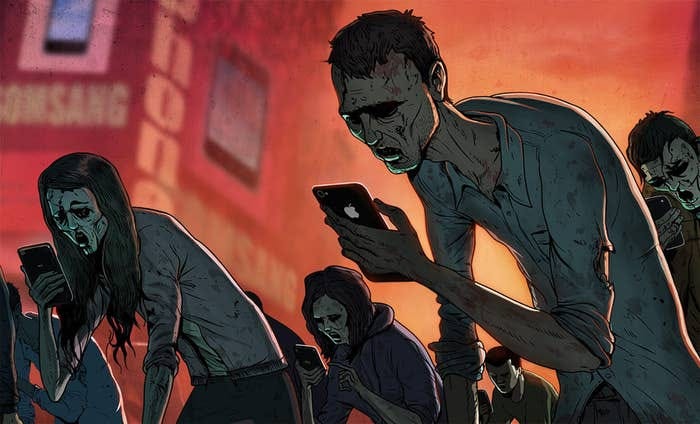
It is so easy to point fingers, criticize and demonise ourselves for fashioning our world into a picture of Dorian Gray; but ease is what got us into this mess in the first place. Comfort, convenience, escapism from the pain of the ultimate human truth: our existence on Earth is temporary and everything we love eventually falls apart. We cannot positive talk or shy away from the very real pain we feel around loss, as doing so only pushes us further into this dystopian nightmare. But how to deal with a terrifying pain that might just obliterate our will to live in the first place?
One answer could be embedded in the fabric of our stories and narratives. We tend to view breakdowns as ultimate endings. What if we did a reframe? What if we viewed breakdowns, not as final destinations, but as portals brimming with promise, emergings and new possibilities?
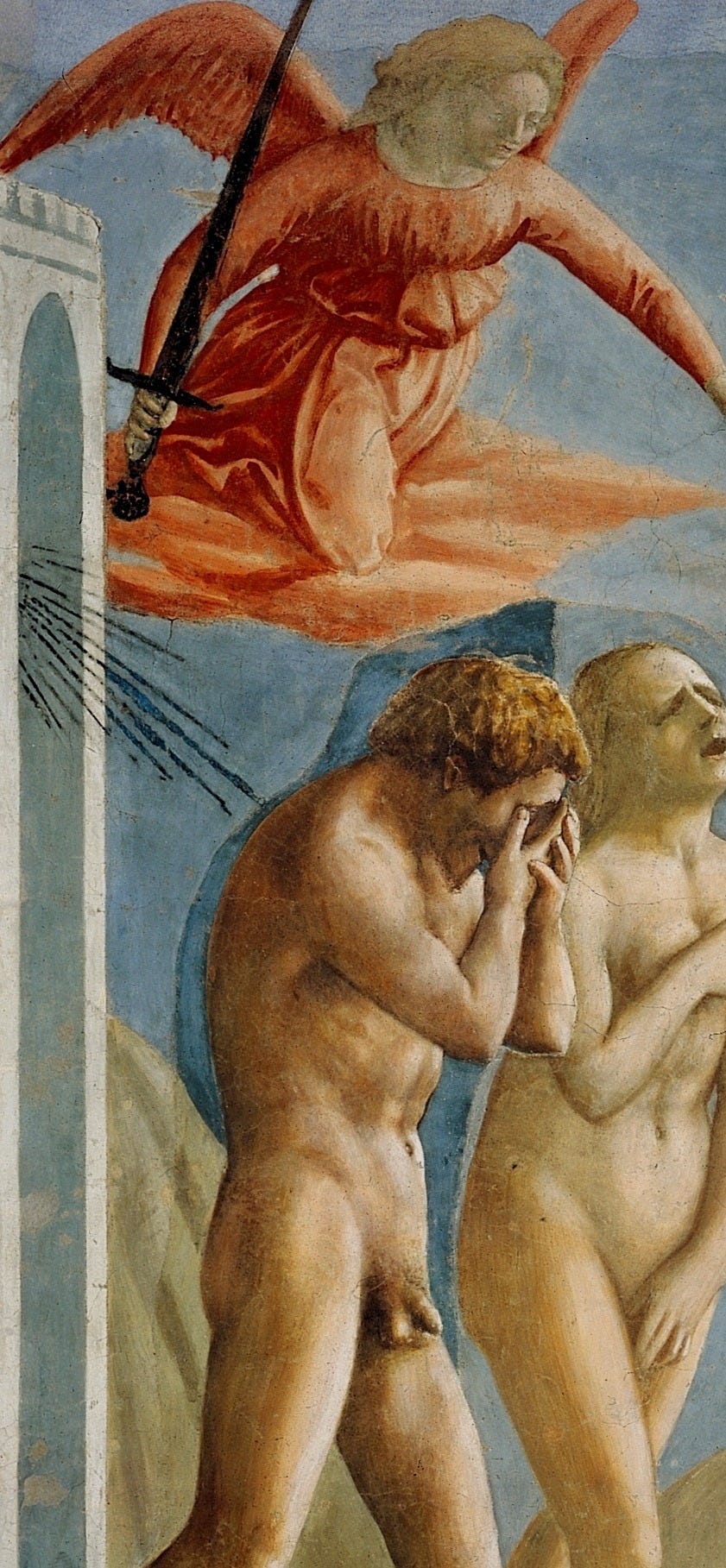
Genesis, the first chapter of the Bible (the central religious text in christianity and judaism), starts off with the ultimate downfall: humanity’s expulsion from the paradisiacal garden of Eden. But this nascent rupture is not the the full stop in man’s story. Instead, it becomes the birth canal for all biblical texts and the foundation of other canonical writings around our religious evolution.
Several other iconic texts such as Charles Dickens’s ‘Oliver Twist’ and Alexandre Dumas’s ‘Count of Monte Cristo’ also kick off with protagonists at their lowest ebb. The same holds for cinema, with a plethora of classical films starting off with dramatic breakdowns (consider the wedding massacre scene of ‘Kill Bill’ or the torturous world of Od Dae-su that opens up ‘Old Boy’). Nearly every writing and storytelling course (including our own) emphasises the importance of powerful and engaging openings and what gets our attention quicker than a massive breakdown (hello breaking news headlines).
We can’t prevent things from falling apart and when we try, we end up causing more harm than good. We can’t pretend ruptures don’t hurt (ever tried ripping a tiny bandaid off your skin?). But what we can do is acknowledge the pain, then sit with the ugliness and stench of the decomposition process. And maybe, just maybe, we might be first in line to witness the fresh new buds emerge from the dirt. Here’s to crashing open new beginnings and possibilities in our stories and in our world!
With love,
As
 | A guest post by
|